skip to main | skip to sidebar
Jeroen Witvliet


Older Posts Home
Subscribe to: Posts (Atom)

Text


"Within them lies a sense of absurdity, an ironic use of image that is both serious and distracting, obscure and dead on"


The paintings of Jeroen Witvliet respond to current events and happenings that shape our future without loosing track of the past.
He is intrigued by the way information is stored, manipulated and used for a plethora of different purposes and how this informs his own world view. The artist seems to be trying to discover parallels with past events in order to find some solace in the notion that maybe nothing is new and that there is a way to make sense of the world by regarding history as definite. Alas, history and the use of information have accumulated into a massive register of manipulations and falsification of the direct experience. Information has been layered, designed and obscured to aid and fit any agenda. By manipulating public spaces, monuments and news footage Witvliet's work engages in generating a dialogue between actuality and history.


49 11 40.98 N 123 10 38.42 W


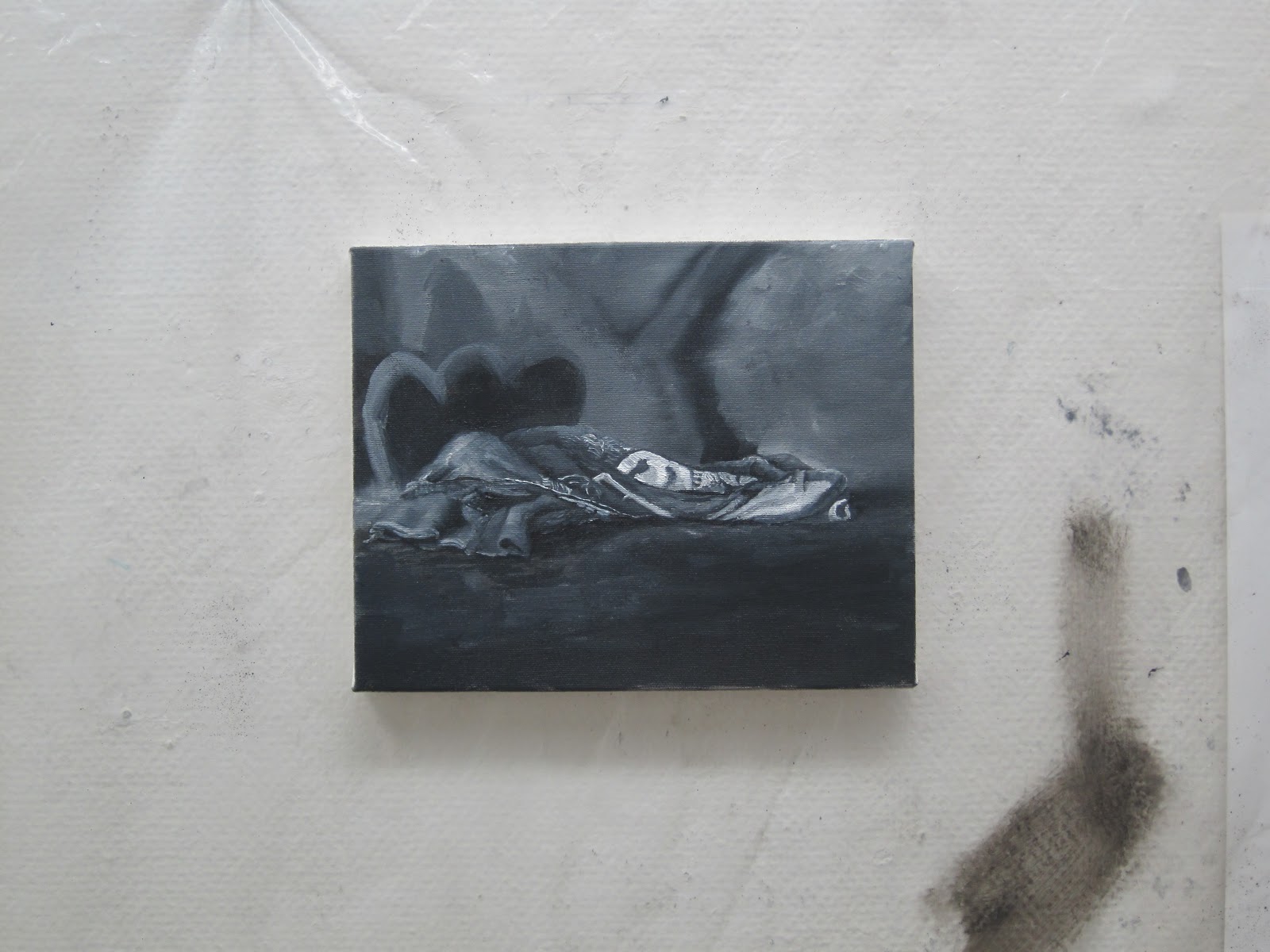
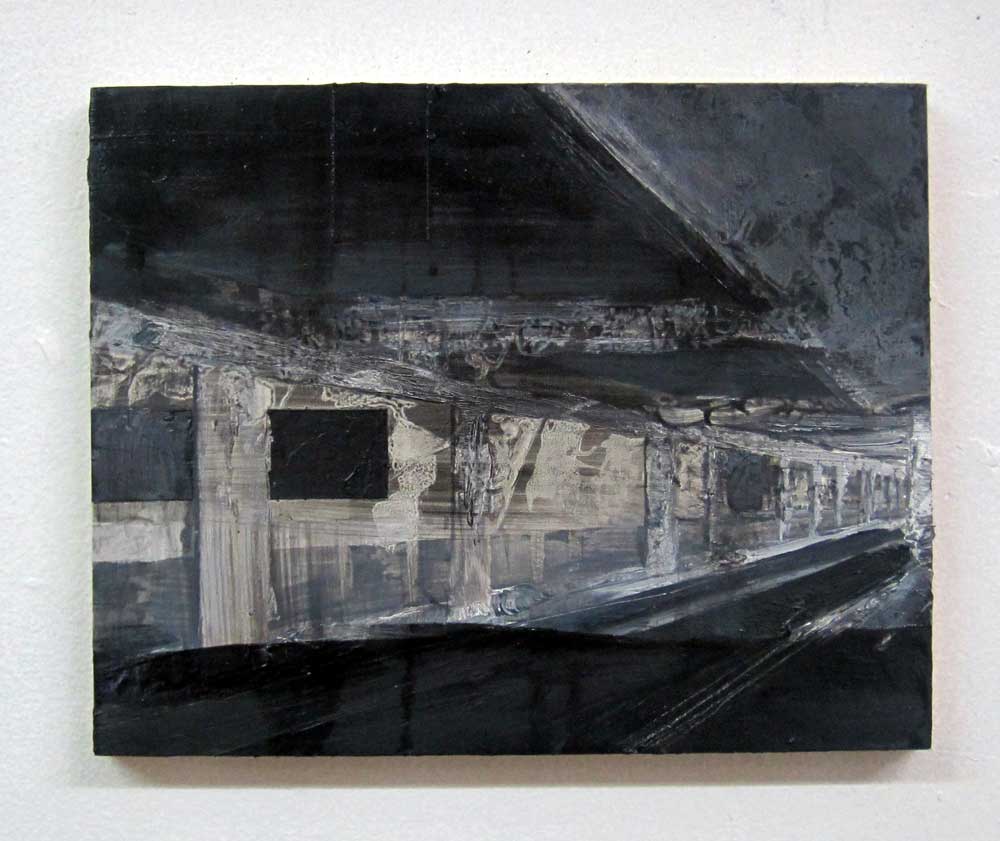
Recent small works by Jeroen Witvliet


A network of surveillance is in place to capture an image of who passes through a certain place at a certain time. The prefix for all this surveillance is in many cases unknown. Issues of safety, control of the order, the possibility to influence unknown events, if necessary. The system behind the gates and the cameras is to a large degree invisible and it becomes a guess of what it is comprised off.


Movements are seemingly free at a specific time but the capturing of information might create a set of signifiers for later use. Information that might be used to exclude, influence or manipulate the private life of the citizens of the state.


How is the private experience of a historical event, when viewing or commemorating at a public memorial site shaped by the actual space in which one finds oneself. The private reasons for being at the site are confronted by the realization that the reasons for the memorial most likely find their origins in an event that came to be because of the over reaching influences of a system large enough to claim the lives of private members of that system ( a membership not always endorsed by the subject ). The private became violently subject to a public sphere.


Witvliet is interested in the situations, the places, the tools and the ( invisible ) structures that lay behind the public sphere. The politics that dictate the use of mass surveillance and influence the experience of the individual when in a public surrounding. How is the gathered information being used and by who ? How does a space function differently when it is a strictly personal space, solely occupied by the individual with no visible influence from anyone or any system? E.g. how does being within your own living room change the experience of the self within a system. Does a certain degree of isolation give rise to a critical questioning of the place of self in the public realm or is the invitation of the public ( mass media ) into the private space a continuation of an unquestioned accepting of the duality between private and public ?


These paintings are small, the largest measuring 18 x 24”, while the bulk of them are no larger then 8 x 10”. Their deliberate seize seem to be responding to the vastness of the public sphere. They fit comfortably in a suitcase and can be handled easily. At this scale they become intimate again, something the public space has been trying to deny.


My Website
My Projects
Contact me